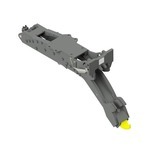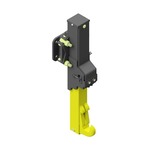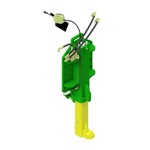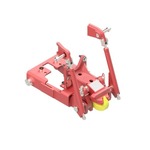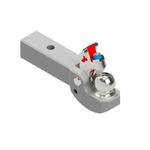

Bennett Engineering Hitch Spare Parts
Ensure Peak Performance with Bennett Engineering Hitch Spare Parts
At Bennett Engineering, we understand that maintaining the efficiency of your equipment is crucial for successful operations. Our comprehensive selection of Hitch Spare Parts is designed to support the longevity and functionality of your pickup hitches, ensuring they perform at their best.
Wide Range of Components
We provide a diverse assortment of spare parts compatible with our pickup hitches. From pins and clips to mounting hardware, our inventory covers all essential components to keep your equipment running smoothly.
High-Quality Materials
All our spare parts are manufactured from durable, high-quality materials, ensuring reliability and longevity. We prioritize the performance of your equipment, which is why we offer parts that withstand the rigors of daily use.
Expert Support
Our experienced team is here to assist you in finding the right spare parts for your specific hitch model. We are committed to providing the guidance you need to make informed decisions, ensuring minimal downtime for your operations.
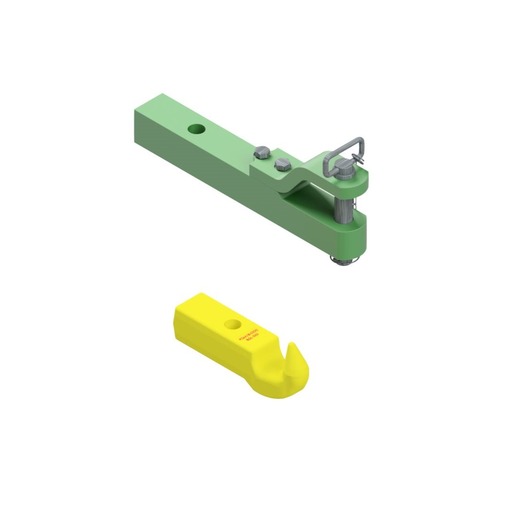
Pick-Up Hitch Tow Hook Wear Inspection Guide
Customer guidance for checking wear, identifying the correct inspection points, selecting the correct D-value limits, and ordering replacement parts.
CAUTION: Parts that have reached or exceeded their wear limit must be replaced with new parts. Weld repairs are not permitted on the hook.
Replacement parts available: Bennett Engineering can supply replacement tow hooks and related pick-up hitch wear parts. Provide the hitch type, serial number and D value so the correct part can be confirmed.
Why this check matters?
The tow hook and catch are safety-critical parts of the pick-up hitch. Wear at the hook, catch or locking area can reduce safe trailer retention. Regular inspection helps prevent unsafe use, damage, downtime and potential trailer detachment.
What to check
1. Check gap (a) at catch
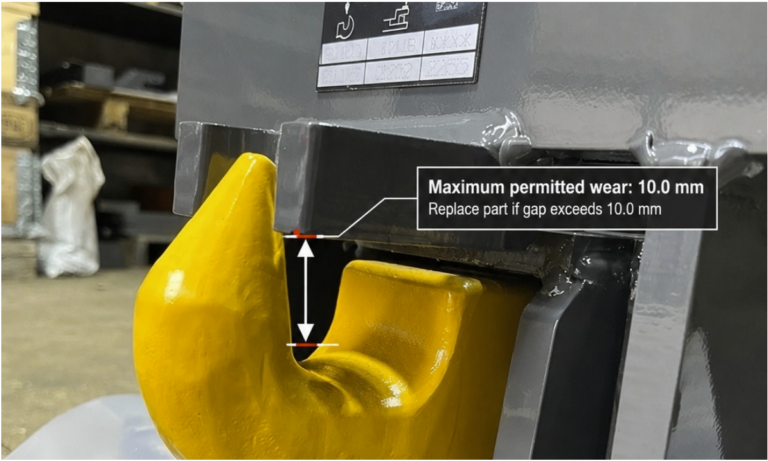
Maximum permissible clearance: 10.0 mm / 0.39 in. Measure between the underside of the catch and the top of the hook.
2. Hook dimension locations
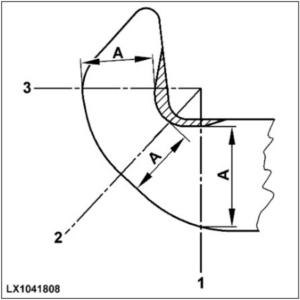
Measure hook diameter at locations 1, 2 and 3 shown by dimension A. Use calibrated calipers or a suitable gauge.
Read and highlight the D value
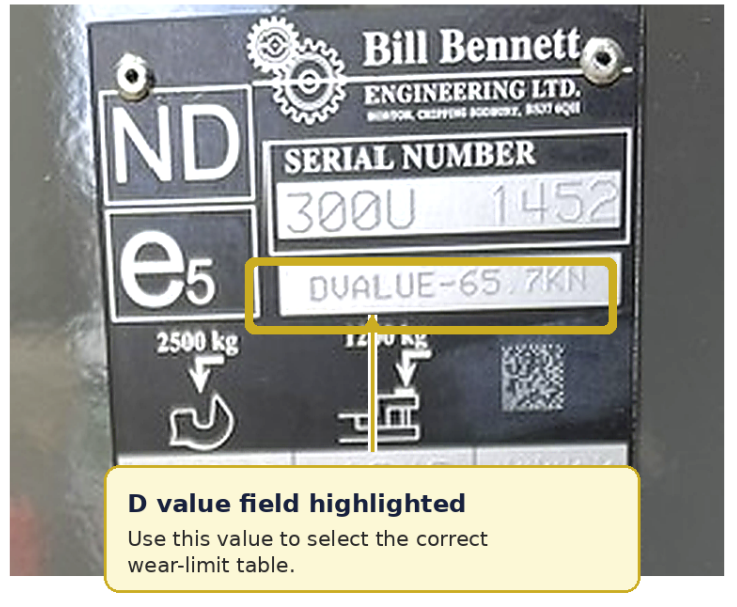
Read the D value from the pick-up hitch type plate. The D value is used to select the correct tow hook wear-limit table. If the type plate is unreadable or the D value cannot be confirmed, contact Bennett Engineering with the serial number before choosing a wear-limit category.
Wear-Limit Specifications
Use the D value from the type plate to select the correct minimum hook diameter limits. Record all measurements.
A. Catch gap maximum permissable clearance
Inspection point
Gap at catch
Metric
10.0 mm
Imperial
0.39 in
B. If D value indicated on the type plate is 65 kN or less
Measurement
Location 1
Location 2
Location 3
Minimum value (A)
43.5 mm
42.0 mm
40.5 mm
Imperial
1.71 in
1.65 in
1.59 in
C. If D value indicated on the type plate exceeds 65 kN
Measurement
Location 1
Location 2
Location 3
Minimum value (A)
45.0 mm
43.5 mm
42.0 mm
Imperial
1.77 in
1.71 in
1.65 in
When to check
Before daily use: visual check for wear, damage and latch operation.
At routine service: measure catch gap and locations 1, 2 and 3.
Heavy-duty work: inspect more often when towing heavy trailers, tankers, dump trailers or road-going loads.
After an incident: inspect after impact, snatch loading, abnormal movement or suspected damage.
Replace if
Gap at catch (a) is 10.0 mm or greater.
Any measured diameter is below the applicable minimum value.
The hook or catch is cracked, bent, deformed or impact damaged.
The catch or locking mechanism does not operate correctly.
There is excessive movement between the hook and towing eye.
Explore our selection of hitch spare parts and ensure your equipment remains efficient and reliable. Contact us today for more information or to request assistance with your purchasing needs.